Listen, I've been watching the insurance world change right before my eyes, and honestly? It's about time. For decades, we've been stuck with mountains of paperwork, those painfully long phone calls with agents, and policy documents that read like they were written in another language. But here's the exciting part - AI and digital technology are flipping the entire industry upside down, and you're the one who benefits.
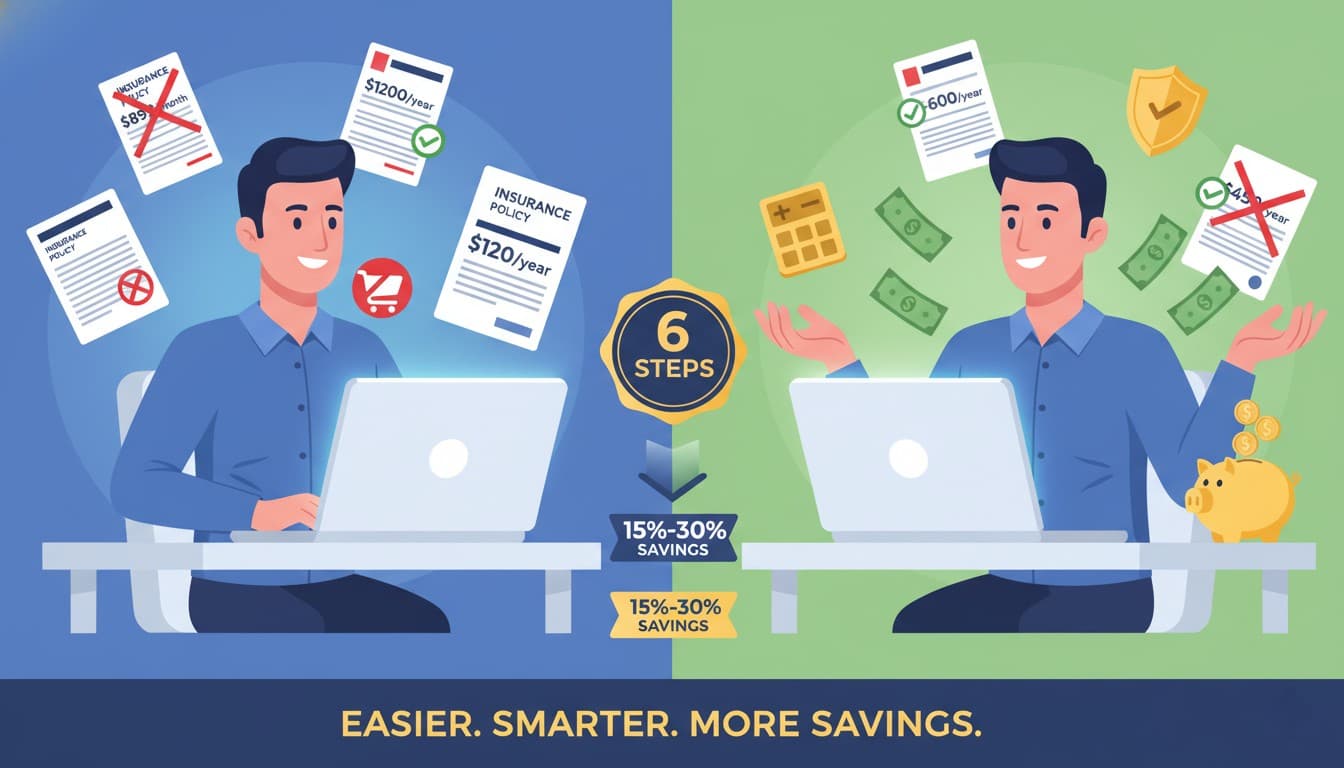
Let me walk you through 8 practical ways you can use this tech revolution to your advantage. I'm talking real money savings, actual time saved, and way less headache when dealing with insurance.
1. Use AI-Powered Comparison Tools to Find the Best Policy Fast
Remember spending entire afternoons calling different insurance companies, repeating the same information over and over? Yeah, those days are done.
Here's what changed my perspective: modern AI comparison platforms work like having a personal shopping assistant who never gets tired. You punch in your details once - just once - and the system goes to work pulling real-time quotes from multiple insurers simultaneously.
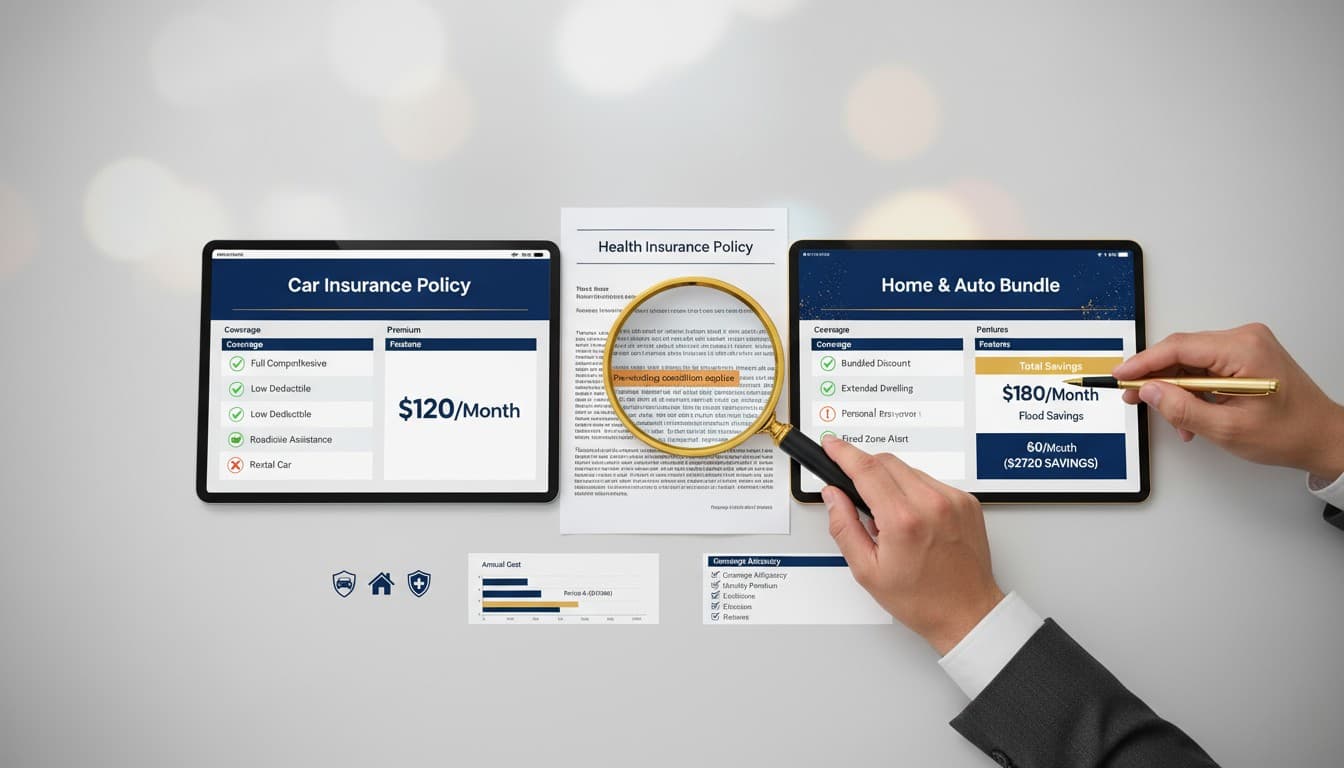
What makes these tools actually smart (not just marketing fluff) is how they think. They're considering your specific coverage needs, where you live, your risk factors, and every discount you might qualify for. It's like having an insurance expert working for free on your behalf.
I'll give you a real example. My friend Ethan runs a small landscaping business and needed both commercial and auto coverage. He used one of these AI tools and found a bundled policy that saved him $420 per year - and the whole process took less time than his morning coffee run. Five minutes. That's it.
Pro move: Look for comparison tools that don't ping your credit score. The good ones let you browse without any financial footprint.
Try Our Free Insurance Comparison App Now
No signup required - Get instant quotes from 20+ top insurers in under 3 minutes. No credit check, zero obligations, completely free.
2. Install Smart Devices to Lower Your Premiums
Here's something most people don't realize - insurance companies absolutely love it when you prove you're low-risk. And smart devices are your proof.
For your home, we're talking about smoke detectors that alert you instantly, water leak sensors that catch problems before they become disasters, and security cameras that make burglars think twice. Insurers see these and can knock 5-20% off your home insurance. That's real money back in your pocket.
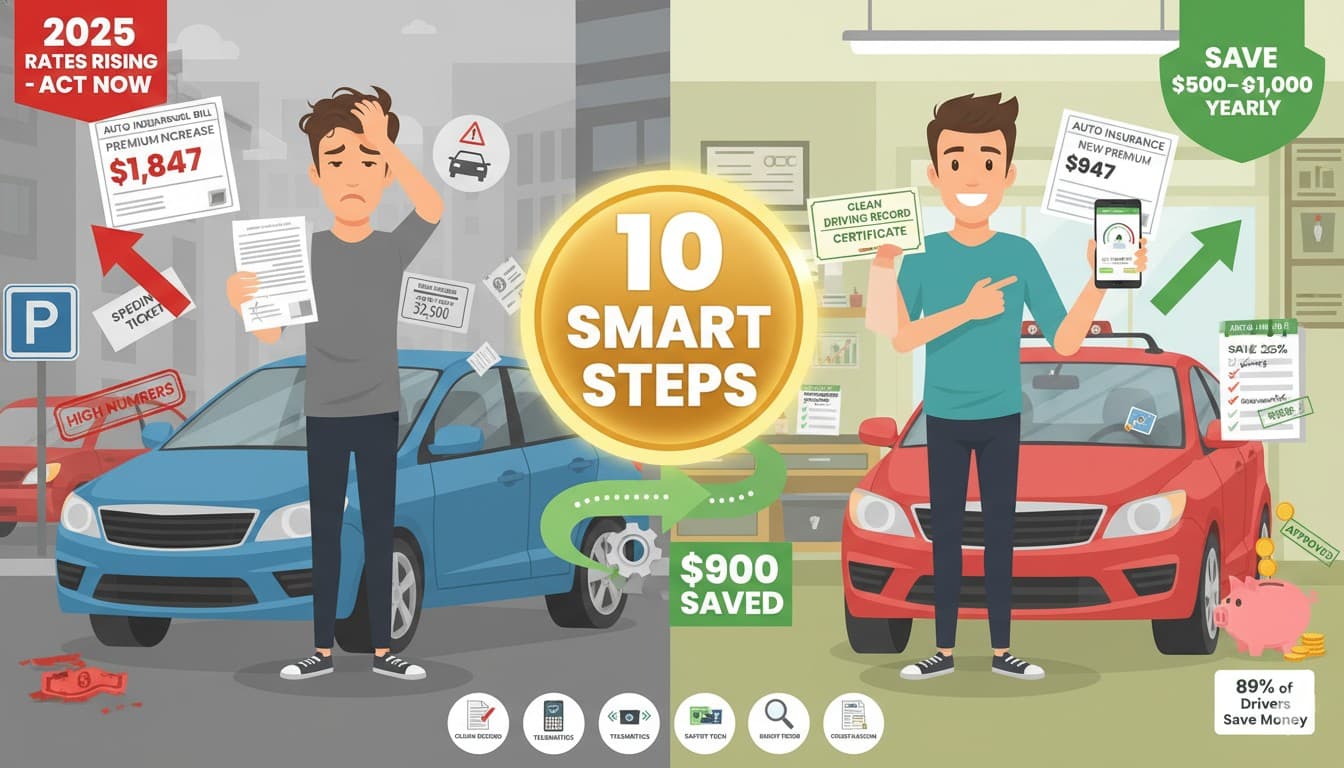
For your car, telematics devices track how you actually drive. If you're a safe driver (not speeding, smooth braking, driving during safe hours), you get rewarded with discounts. Finally, insurance based on your actual behavior instead of just assumptions about your age or zip code.
Rachel, a homeowner in Ohio, installed a $40 leak detector under her kitchen sink. Three months later, it caught a small pipe burst at 2 AM. Not only did her insurance cover the repairs, but her insurer gave her a 10% discount at renewal for being proactive. She's been saving $180 every year since then.
My advice: Before buying any smart device, call your insurer and ask specifically which devices they support and what discounts they offer. Get it in writing.
3. Let Predictive Analytics Personalize Your Coverage Automatically
This is where AI gets legitimately impressive. These systems don't just crunch numbers - they learn your patterns and predict what you'll need next.
Modern insurance apps are watching (in a helpful way, not creepy) for life changes. Got a new job? Moved to a different state? Had a baby? The AI picks up on these signals and automatically suggests coverage adjustments or new discounts that match your current situation.
Kevin experienced this firsthand. When he bought his first home last year, his insurer's app sent him a notification suggesting he bundle his new homeowner's policy with an umbrella policy. He followed the recommendation and ended up saving $310 annually while getting better overall protection. The system basically did his financial planning for him.
Quick tip: Keep your insurer's app updated with accurate information. The more current your data, the better recommendations you'll get.
4. File Claims Faster with Automation
I'm going to be honest - traditional claims processing was bureaucratic torture. But AI automation is changing this dramatically.
For smaller claims especially, AI systems can now verify photos, process receipts, and approve payments within hours. No phone tag with adjusters, no sending the same document three times, no mysterious waiting periods.
The process is beautifully simple: take clear photos through your insurer's app, upload any relevant documents, and the AI does the verification work. You can literally track your claim's status in real-time, like tracking a pizza delivery.
Tara had a fender bender in a parking lot last month. She took photos of the damage, submitted them through her app, and had the claim verified and paid within 24 hours. Zero phone calls. Zero paperwork. Just done.
Pro tip: When submitting photos, use good lighting and capture multiple angles. The better your documentation, the faster the AI can process everything.
5. Manage Everything from One Digital Dashboard
I used to keep insurance documents in a filing cabinet, printed emails in folders, and policy numbers on sticky notes. It was chaos.
Now? Everything lives in one digital dashboard. All your policies - auto, home, life, whatever - visible in one place. Renewal reminders pop up automatically. Need your insurance card for a doctor's appointment? Digital version instantly available on your phone.
Lena manages insurance for her entire family this way. When she added her 16-year-old son to her auto policy, the dashboard automatically adjusted her premium and flagged a teen-driver discount she didn't even know existed. The system is working for her 24/7.
Smart move: If your insurer offers bundling, connect all your policies to their dashboard. You get better visibility and usually unlock multi-policy discounts automatically.
6. Guard Your Data Like It's Cash (Because It Is)
Real talk - the more digital insurance becomes, the more careful you need to be with your personal information.
Here's my non-negotiable checklist: only use websites with "https://" in the URL (that little padlock icon matters). Actually read privacy policies before clicking "I agree." Avoid comparison tools that store your data permanently.
I only recommend platforms that use end-to-end encryption and delete your information after each session. Your data should be used for comparison, then gone. Period.
Reality check: Before entering personal details anywhere, confirm the site complies with major cybersecurity standards. If they can't clearly explain their data protection, walk away.
7. Use AI for Speed, Humans for Wisdom
Here's what I've learned: AI is fantastic for crunching numbers and making quick comparisons, but humans still bring judgment, context, and that crucial gut-check factor.
My strategy? Let AI tools do the heavy lifting - generate quotes, compare coverage, identify discounts. Then bring in a licensed agent to review the recommendations before you sign anything important, especially for life or business insurance.
Sam followed this approach perfectly. He used an AI comparison tool to narrow down his options to three policies, then spent 20 minutes with an agent who spotted overlapping riders he didn't need. That conversation saved him $220 per year.
Bottom line: Technology handles the data, humans handle the nuance. Use both.
8. Get Ready for Embedded Insurance - It's Already Here
This is the future arriving right now, and most people don't even realize it's happening.
Embedded insurance means coverage gets offered instantly at checkout when you're buying something else - a car, booking a flight, signing a lease. It's seamless, often cheaper because of group rates, and removes all the friction from getting protected.
Julia bought a $900 laptop online last month and added embedded theft and damage protection at checkout for less than $3 monthly. When her laptop got stolen from her car two months later, that $3-per-month decision saved her from a $600 replacement bill.
Watch for this: These add-on protection options aren't always gimmicks. Sometimes they're genuinely good value, especially when they're priced at group rates.
The Bottom Line: AI Makes Insurance Work for You
AI isn't killing the insurance industry - it's making it work the way it should have all along. Faster approvals. Personalized coverage. Transparent pricing. Less bureaucracy.
Before your next policy renewal (mine's coming up in two months), spend 15 minutes exploring these tools. The savings and simplicity are real.
Your insurance should protect you, not confuse you. And for the first time in decades, technology is finally making that possible.
Start Saving Today - It Takes Less Than 3 Minutes
Try our Free Insurance Comparison App right now:
✅ No signup or registration needed
✅ Compare quotes from 20+ top insurers instantly
✅ No credit score impact
✅ 100% free, zero obligations
✅ See your potential savings in under 3 minutes