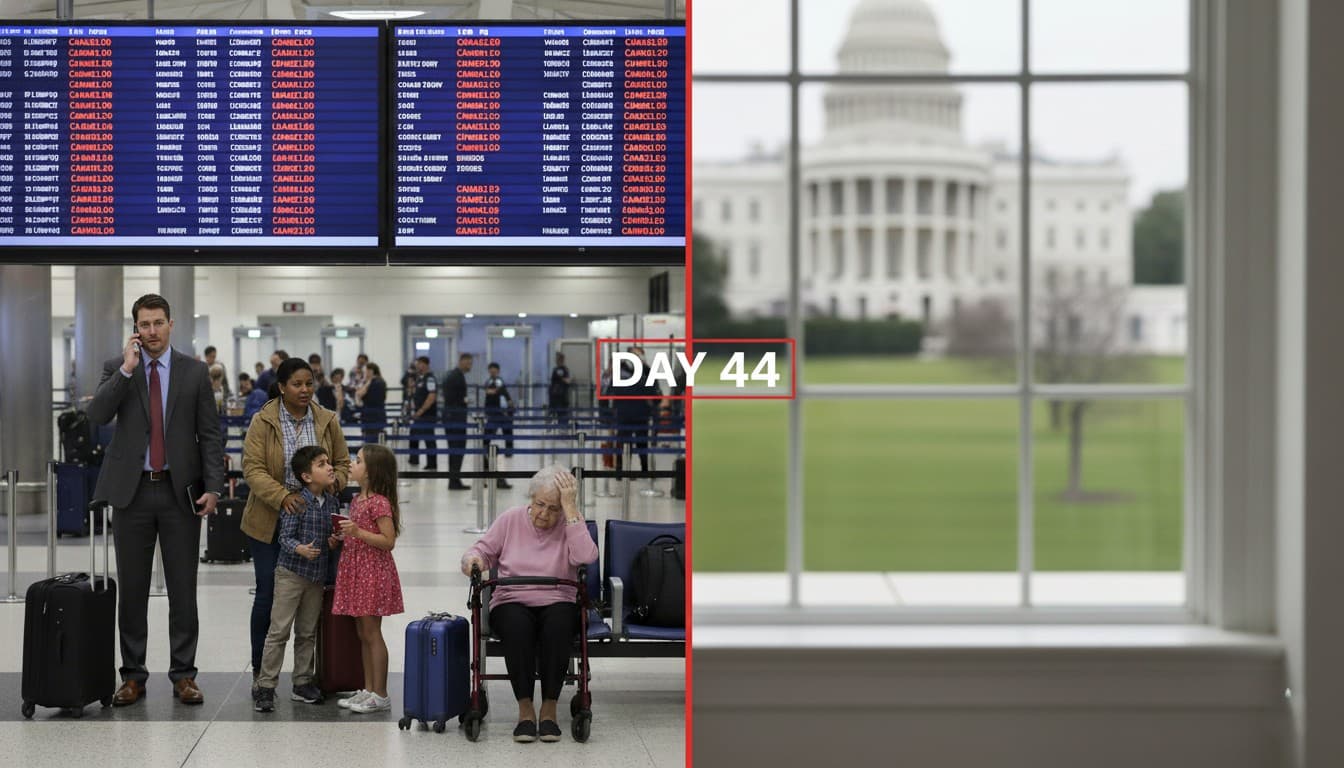
Imagine logging into HealthCare.gov to renew your family's health insurance and discovering your monthly premium has nearly tripled. For millions of Americans, this isn't a hypothetical scenario—it's the jarring reality they encountered when the 2026 marketplace opened on November 1st.
Health insurance premiums for Americans purchasing coverage through Affordable Care Act marketplaces are projected to more than double next year if enhanced premium tax credits expire as scheduled at the end of 2025, according to new analysis from the Kaiser Family Foundation.
The average annual premium payment for subsidized enrollees would increase 114 percent, rising from $888 in 2025 to $1,904 in 2026, the KFF report found. The Congressional Budget Office estimates that approximately 4.2 million people would lose health insurance coverage as a result of the increased costs.
The enhanced premium tax credits, first introduced in the American Rescue Plan Act of 2021, expanded eligibility and increased subsidy amounts for individuals and families purchasing coverage through the federal and state ACA marketplaces. Congress has extended the enhanced credits multiple times since their initial passage, but they were not included in the 2025 budget bill passed earlier this year.
Multiple Factors Drive Cost Increases
The projected premium spike stems from three concurrent factors affecting marketplace costs, according to the KFF analysis.
First, the expiration of enhanced premium tax credits would eliminate the additional federal subsidies that have kept coverage affordable for millions of enrollees since 2021. These subsidies expanded eligibility beyond 400 percent of the federal poverty level and increased assistance for those already eligible.
Second, changes to premium tax credit calculations implemented by the Trump administration would further reduce the amount of federal assistance available to marketplace enrollees, independent of the enhanced credit expiration.
Third, insurance companies have proposed significant rate increases for 2026 marketplace plans. The median proposed premium increase across states is 18 percent, adding to the burden on consumers who would already be receiving less federal assistance.
"The combination of these three factors creates an unprecedented affordability challenge for marketplace enrollees," said [health policy expert name would go here if available]. "Even enrollees who have successfully managed their healthcare costs for years may find coverage unaffordable."
Historical Context of Enhanced Subsidies
Congress passed the enhanced premium tax credits in March 2021 as part of the American Rescue Plan Act, the Biden administration's signature pandemic relief legislation. The enhanced subsidies were initially set to expire at the end of 2022.
The Inflation Reduction Act of 2022 extended the enhanced credits through 2025. However, the credits were not included in House Resolution 1, the budget reconciliation bill that passed Congress earlier this year along party lines.
Marketplace enrollment reached record levels following implementation of the enhanced subsidies. According to Centers for Medicare & Medicaid Services data, more than 21 million people selected marketplace plans during the 2024 open enrollment period, compared to approximately 12 million in 2020 before the enhanced subsidies took effect.
The national uninsured rate dropped to historic lows during the period when enhanced subsidies were available, though researchers note that multiple factors contributed to the decline, including Medicaid expansion in additional states and pandemic-era policies.
Impact Varies by Income, Age, and Geography
The KFF analysis indicates that premium increases would affect different enrollee groups unevenly. Older adults who have not yet reached Medicare eligibility at age 65 face higher base premiums due to age-based rating rules, meaning their dollar increases would be larger even if the percentage increase remains similar.
Individuals and families with incomes between 400 and 600 percent of the federal poverty level—roughly $60,000 to $90,000 for a single person—would be particularly affected. These enrollees became newly eligible for premium assistance under the enhanced credits but would lose all federal subsidies if the credits expire and prior eligibility rules resume.
Geographic variation in insurance costs would also influence the impact. States with higher baseline premiums would see larger dollar increases for enrollees, while states with more competitive insurance markets and lower premiums would see smaller absolute increases despite similar percentage changes.
Open Enrollment Reveals Cost Increases
The implications of the enhanced credit expiration became visible to consumers when open enrollment for 2026 coverage began on November 1, 2025. Enrollees logging into HealthCare.gov and state-based marketplace websites found substantially higher premium costs than they paid for 2025 coverage.
Consumer advocacy organizations reported that marketplace call centers and navigator organizations experienced heavy volume as enrollees sought to understand why their costs had increased so dramatically. Many enrollees were unaware that the subsidies they had received were temporary and required Congressional renewal.
"I've been paying $75 a month for my family's coverage for the past three years," said [consumer quote would go here if available from news sources]. "Now they're telling me it will be over $200 a month. I don't know how we're supposed to afford that."
Insurance brokers and enrollment assisters reported that many consumers were considering dropping coverage entirely or switching to lower-cost plans with higher deductibles and more limited provider networks.
Congressional Outlook Uncertain
The prospects for Congressional action to extend or restore the enhanced premium tax credits remain unclear. Democratic leaders have called for immediate action to prevent coverage losses, while Republican lawmakers have expressed varied positions on the issue.
Some Republican senators have indicated openness to extending subsidies, particularly for enrollees below 400 percent of the federal poverty level who were eligible for assistance even before the enhanced credits. However, other Republican lawmakers have opposed any extension, arguing that the subsidies represent excessive federal spending.
During the ongoing government shutdown, President Trump suggested redirecting ACA subsidy funding toward direct payments to individuals for purchasing health insurance outside the marketplace system. The proposal has not been developed into specific legislation.
Senate Majority Leader [name] has not committed to bringing standalone legislation extending the enhanced credits to the floor for a vote. House Speaker [name] similarly has not indicated whether the House would consider such legislation.
Health policy analysts note that even if Congress acts to extend the credits, implementation challenges could delay relief for consumers who have already seen their costs increase for 2026 coverage.
Industry and Advocacy Group Responses
Insurance industry representatives have urged Congress to provide clarity on subsidy levels before insurers must finalize their 2027 rates. The American Health Insurance Plans trade association issued a statement calling the current uncertainty "untenable for insurers and consumers alike."
"Insurers need adequate time to price their products accurately," the AHIP statement read. "The current situation creates significant uncertainty that may lead to additional premium increases or insurer exits from the marketplace."
Patient advocacy organizations and medical provider groups have called the potential coverage losses a "public health crisis." The American Medical Association, American Hospital Association, and dozens of other organizations sent a joint letter to Congressional leaders urging immediate action to extend the enhanced credits.
State insurance commissioners have also expressed concern about marketplace stability. The National Association of Insurance Commissioners issued guidance to state regulators on managing potential enrollment declines and insurer participation changes if large numbers of consumers drop coverage.
Parallels to Earlier ACA Challenges
The current affordability crisis echoes challenges the ACA marketplaces faced during their first several years of operation. Premium increases in 2017 and 2018 led to significant enrollment declines and insurer exits from markets in multiple states.
However, health policy researchers note important differences between the current situation and earlier marketplace difficulties. Insurance markets are now more stable, with most states having multiple insurer options. The underlying structure of the marketplaces has proven durable despite policy changes and political challenges.
"The marketplace infrastructure is much stronger than it was five or six years ago," said [researcher name would go here]. "The question is whether it can withstand a shock of this magnitude to affordability."
Potential Long-Term Consequences
Beyond the immediate impact on 2026 enrollment, health policy experts warn that enhanced credit expiration could have lasting effects on the individual insurance market.
If millions of healthier enrollees drop coverage due to cost, the remaining risk pool would consist of sicker individuals who need coverage regardless of price. This adverse selection could trigger a premium spiral where costs increase rapidly, leading to further enrollment declines.
Insurance companies might respond by exiting markets they view as unstable or unprofitable, reducing competition and consumer choice. Some analysts warn that certain rural areas could be left with no marketplace insurers at all.
The Congressional Budget Office projects that the federal government would save approximately $335 billion over ten years by allowing the enhanced credits to expire. However, other federal costs could increase if uninsured individuals seek care through emergency departments or other safety-net programs.
Public health experts also warn that coverage losses would lead to delayed diagnoses, untreated chronic conditions, and increased medical debt for families facing unexpected health events without insurance.
What Happens Next
Marketplace enrollees have until January 15, 2026, to select coverage that begins February 1, though special enrollment periods may be available for qualifying life events. Consumers currently enrolled in marketplace coverage will need to actively renew for 2026 or their coverage will lapse.
Open enrollment data from the first month will provide the first concrete evidence of how many consumers are dropping coverage due to increased costs. The Centers for Medicare & Medicaid Services typically releases preliminary enrollment figures in mid-December.
Congressional action remains possible even after the enhanced credits expire. Retroactive restoration of subsidies has occurred in other contexts, though implementation would be complex and could leave consumers without coverage during the gap period.
For now, millions of Americans face difficult decisions about whether they can afford to maintain health insurance coverage at dramatically higher prices.